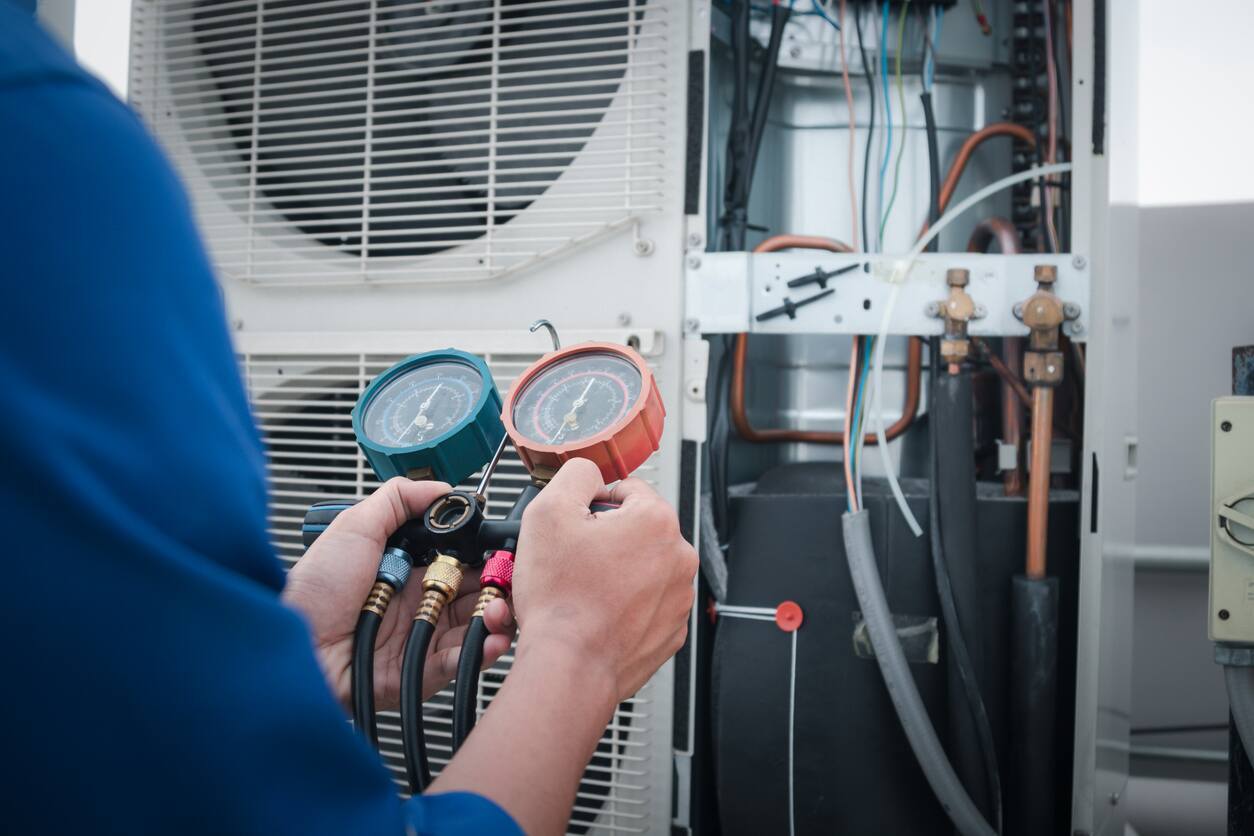
In a busy commercial facility, your HVAC system is often out of sight until it stops performing. For managers of hospitals, plants, or office complexes, a cooling failure is a direct threat to operational continuity and your bottom line. The primary culprit is often not a mechanical break, but a subtle imbalance in the system's refrigerant.
Refrigerant is a specialized fluid responsible for absorbing heat from indoor air and discharging it outside through a continuous cycle. However, when common refrigerant issues in commercial HVAC systems arise, the impact is felt immediately through rising temperatures and skyrocketing utility bills.
Maintaining proper refrigerant levels and chemical purity is critical for peak performance and long-term equipment health. To keep your facility running smoothly, it is essential to partner with experts in professional refrigeration solutions who understand the nuances of industrial cooling.
Understanding Refrigerant in Commercial HVAC Systems
To solve refrigerant problems, one must first understand how the cooling cycle works within the equipment. Refrigerant is a chemical compound that cycles through your HVAC system, absorbing heat from indoor air and releasing it outside. This process involves continuous phase changes, from liquid to gas and back again, allowing the system to regulate temperature effectively.
The cooling cycle depends on three primary components:
- The evaporator coil, which absorbs heat from indoor air
- The compressor, which pressurizes the refrigerant
- The condenser coil, which releases heat outdoors
Modern systems commonly use refrigerants such as R-410A, while older units may still rely on R-22, which has been phased out due to environmental concerns.
One important thing to understand is that refrigerant is not consumed during operation. If levels drop, it typically signals a leak or another underlying issue that requires attention.
Why Refrigerant Problems Are So Common in Commercial Systems
Commercial systems are far more complex than residential units, featuring miles of copper piping and dozens of braised joints. These large-scale rooftop units and chiller plants have significantly more potential points of failure.
High usage demands mean these systems often run 24/7, leading to constant vibration that can cause microscopic cracks. Over time, this intense wear and tear on components makes refrigerant issues almost inevitable.
A lack of routine maintenance remains the leading cause of major refrigerant failures in the commercial sector. Small leaks or pressure imbalances often go unnoticed until they cause a total system shutdown.
6 Common Refrigerant Problems in Commercial HVAC
1. Refrigerant Leaks
Refrigerant leaks are the most frequent issue in commercial HVAC systems. They can occur due to corrosion in coils, damaged lines, loose fittings, or poor installation practices.
Leaks often develop slowly, making them difficult to detect at first. However, over time, they can significantly impact system performance.
Common signs include:
- Reduced cooling efficiency
- Hissing or bubbling sounds
- Ice forming on evaporator coils
- Higher-than-normal energy bills
Ignoring a leak can lead to compressor damage and costly repairs, making early detection essential.
2. Low Refrigerant Levels (Undercharging)
Low refrigerant levels are typically the result of leaks, but they can also occur due to improper servicing. When a system is undercharged, it cannot absorb and transfer heat effectively. This leads to longer run times and increased strain on components.
Key effects include:
- Inconsistent or insufficient cooling
- Increased energy consumption
- Overheating of the compressor
If left unresolved, low refrigerant levels can significantly shorten the lifespan of the system.
3. Overcharged Systems
While low refrigerant is a common issue, too much refrigerant can be just as problematic. Overcharging usually happens during maintenance when incorrect amounts are added to the system. An overcharged system creates excessive pressure, which can interfere with normal operation.
Warning signs include:
- Poor cooling performance despite normal operation
- High pressure readings
- Increased wear on system components
Over time, this added stress can damage the compressor and reduce overall efficiency.
4. Contaminated Refrigerant
Refrigerant contamination occurs when foreign substances enter the system. This can include moisture, air, dirt, or debris. Contamination often results from improper installation, inadequate system evacuation, or leaks that allow outside elements to enter.
Potential consequences include:
- Corrosion caused by acid formation
- Reduced heat transfer efficiency
- Blockages within the system
Contaminated refrigerant can quickly lead to widespread system damage if not addressed.
5. Incorrect Refrigerant Type
Using the wrong type of refrigerant or mixing different types can have serious consequences for commercial HVAC systems. Each system is designed to operate with a specific refrigerant. Using an incompatible type can reduce efficiency and damage internal components.
Risks include:
- Chemical incompatibility
- Reduced cooling capacity
- Increased system wear and tear
Always follow manufacturer specifications and rely on certified professionals for refrigerant handling.
6. Frozen Evaporator Coils
Frozen evaporator coils are often a symptom of underlying refrigerant issues, particularly low levels. When refrigerant is insufficient, pressure within the system drops, causing temperatures to fall below freezing and leading to ice buildup on coils.
Signs to watch for:
- Ice accumulation on coils or refrigerant lines
- Reduced airflow
- Uneven cooling
Frozen coils can eventually cause system shutdowns and should be addressed immediately.
High Energy Consumption Linked to Refrigerant Problems
Refrigerant issues don’t just affect cooling; they also have a direct impact on energy consumption. When refrigerant levels are off or contamination is present, the system must work harder to maintain the desired temperature.
This results in:
- Longer operating cycles
- Increased utility bills
- Reduced overall efficiency
For commercial properties, even a small drop in efficiency can lead to significant financial losses over time.
Regulatory and Environmental Considerations
Refrigerants are subject to strict environmental regulations due to their potential impact on the ozone layer and climate.
Older refrigerants like R-22 have been phased out, and newer alternatives are designed to be more environmentally friendly. However, proper handling is still essential.
Key compliance requirements include:
- Detecting and repairing leaks promptly
- Proper recovery and disposal of refrigerants
- Using certified technicians for servicing
Failure to meet these standards can result in penalties and increased liability.
Preventing Refrigerant Problems in Commercial HVAC Systems
Routine Maintenance Best Practices
Scheduled inspections and professional tune-ups are the most effective way to prevent refrigerant-related failures. Technicians can perform leak testing and monitor pressure levels to catch issues before they escalate.
Partnering with Qualified HVAC Professionals
It is critical to work with certified technicians who have the specialized tools required for commercial-grade systems. Investing in a service contract ensures that your equipment receives consistent, expert attention throughout the year.
Investing in System Upgrades
Transitioning to modern equipment that uses eco-friendly refrigerants can provide a significant return on investment. Upgrading aging equipment eliminates the high costs associated with maintaining obsolete refrigerant systems.
When to Call a Professional
You should call a professional immediately if you notice persistent cooling issues or sudden spikes in your energy bills. Visible ice on the lines or unusual noises like clanking or hissing are also major red flags.
Early intervention is the key to avoiding the high costs of emergency repairs and unplanned downtime. A quick inspection can often resolve a minor issue before it turns into a mechanical disaster.
Protect Your Investment with Diversified Refrigeration
With over 30 years of regional expertise in Dublin and Upper Bucks County, Diversified Refrigeration understands that modern facility management requires more than just quick fixes. Our approach integrates advanced equipment technology with building management systems to ensure your infrastructure is as efficient as it is reliable.
By prioritizing early detection and rigorous preventative maintenance, we help hospitals, schools, and industrial facilities avoid the high costs of system failure. Our goal is to work collaboratively with you to implement solutions that enhance indoor air quality and mechanical longevity.
Ensure your infrastructure is operating at peak efficiency and safety. Schedule a professional inspection with Diversified Refrigeration today to leverage our decades of technical expertise and 24/7 support for your commercial facility.